




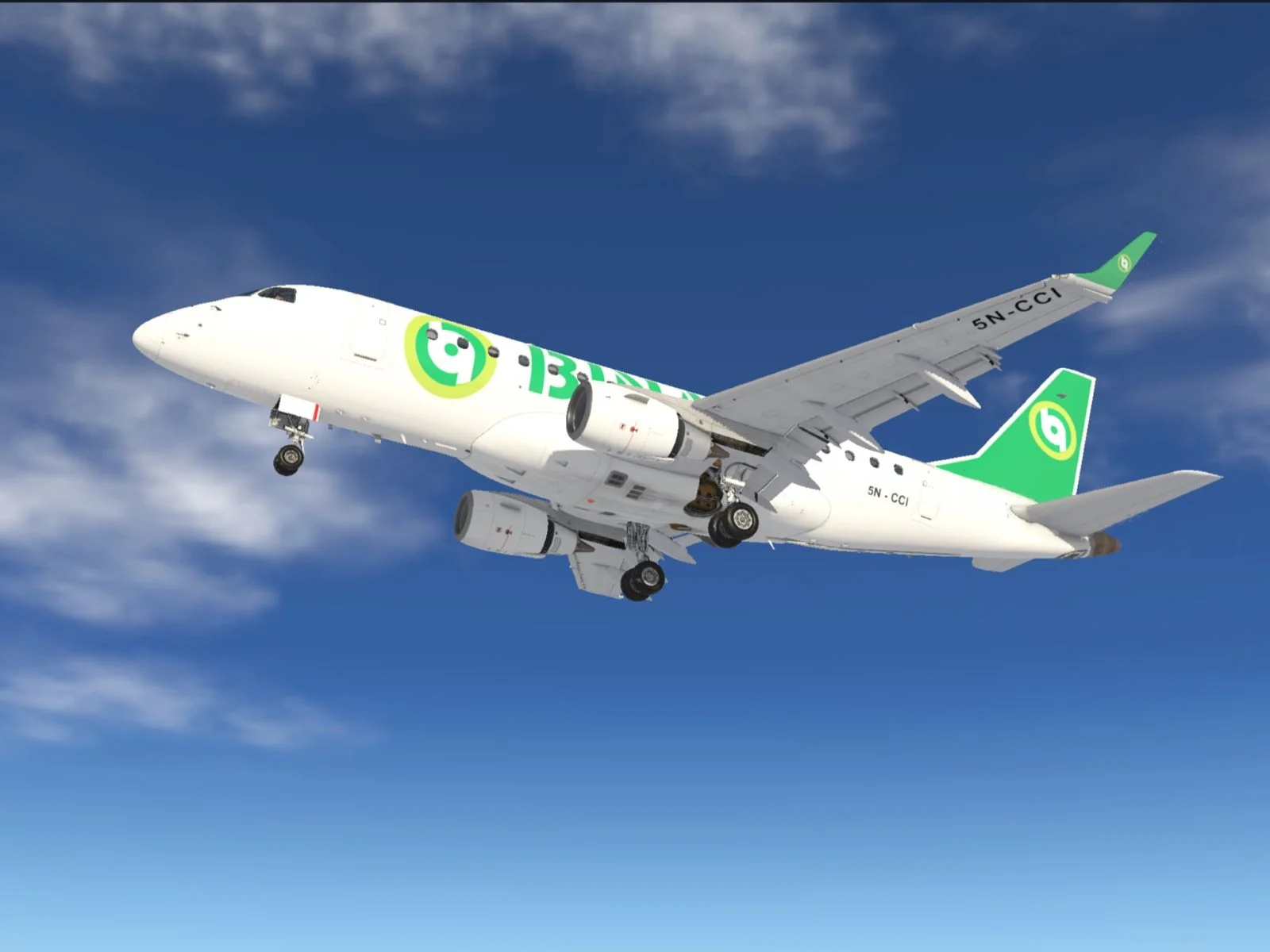
Nigeria’s aviation industry has entered a historic new era with the rise of Binani Air, widely recognized as the country’s first airline fully owned by a woman. The carrier represents more than a new option for domestic travelers. It is a major statement about women’s leadership, African entrepreneurship and the growing determination to build stronger transport infrastructure across the continent.
Binani Air is owned by Senator Aishatu Dahiru Ahmed Binani, commonly known as Aisha Binani, a businesswoman and political figure from Adamawa State in northeastern Nigeria. The airline is also led by a woman, Chief Executive Officer Aminatu Dahiru Chiroma, making it one of the few aviation ventures in Africa where both ownership and executive leadership are held by women.
For a sector historically dominated by men, the launch is being viewed as an important breakthrough for Nigeria and the wider African aviation industry.
A Historic Milestone for Nigerian Women
Binani Air received approval from the Nigerian Civil Aviation Authority to operate scheduled domestic flights, allowing the airline to move from charter services into the competitive commercial passenger market. The certification was a critical step because airlines must meet strict requirements involving aircraft maintenance, trained crews, safety systems, operations manuals and financial readiness before they can carry passengers on scheduled routes.
The airline’s entry has attracted attention because it is not only woman-led in management, but also woman-owned. That distinction is important in an industry where women have often been visible as cabin crew, customer-service professionals and administrators, but less represented among airline owners, investors and chief executives.
Binani Air’s arrival sends a message that African women can lead at every level of the aviation economy: from ownership and finance to regulation, operations, engineering and executive decision-making.
From Charter Aviation to Scheduled Flights
Before entering the scheduled domestic market, Binani Air operated non-scheduled services. The company received authorization for charter operations in 2024 and later secured the approval needed to begin scheduled passenger flights.
Reports from Nigeria’s aviation sector indicate that the airline has operated Embraer E170 aircraft, regional jets designed for short- and medium-distance routes. The E170 is commonly used by airlines around the world for domestic and regional travel because it can serve routes that may not require larger aircraft while still offering a jet-powered passenger experience.
Binani Air has been linked with plans to connect major Nigerian cities, including Lagos, Abuja, Kano, Maiduguri, Port Harcourt and Anambra. These routes could support business travel, family travel, trade, government activity and tourism across Nigeria’s large and economically diverse regions.
The airline’s long-term success will depend on how consistently it can deliver safe, reliable and affordable service. Nigeria’s domestic aviation market has strong demand, but passengers often face high fares, schedule changes, flight delays and limited route options. A new carrier that can build trust through punctuality and customer service may find a meaningful place in the market.
Aisha Binani and the Business Behind the Airline
Senator Aishatu Dahiru Ahmed Binani is known in Nigeria as a businesswoman with interests beyond aviation. She is associated with the Binani Group, which includes businesses in construction and printing. Her move into aviation reflects the growing role of African entrepreneurs who are investing in industries once seen as too capital-intensive or too difficult for locally owned companies.
Airlines are among the most challenging businesses in the world to operate. They require large investments, highly trained staff, regulatory compliance, aircraft access, maintenance planning, insurance, fuel management and constant attention to safety. Profit margins can be thin even in strong markets.
That is why Binani Air’s launch should be understood as more than a symbolic achievement. It is a serious business undertaking in one of Africa’s most demanding industries.
For Nigeria, a country with a population of more than 200 million people and a major commercial economy, stronger domestic air connections can help reduce travel time between regions and support economic activity. Road travel between major cities can be long and difficult, making aviation an important part of national mobility.
Why Female Ownership Matters in African Aviation
Women have played important roles in African aviation for decades. African women have served as pilots, engineers, aviation regulators, airport managers, air-traffic professionals and airline executives. However, ownership remains one of the most powerful forms of influence in any industry.
Ownership determines where investment goes, who is hired, what communities are served and how profits are reinvested. A woman-owned airline can help expand the imagination of young girls and women who may not have previously considered aviation, engineering, logistics or transport entrepreneurship as possible careers.
Binani Air’s leadership structure also creates an opportunity for mentorship and professional development. A company led by women at the highest level can encourage more deliberate recruitment, training and advancement of women throughout the aviation workforce.
The impact may not be limited to Nigeria. Across Africa, entrepreneurs are watching how new airlines, logistics companies and travel businesses can support regional integration. The African Continental Free Trade Area has increased attention on the need for better movement of people, goods and services across African borders. Aviation will be central to that future.
Competition and Opportunity in Nigeria’s Domestic Market
Nigeria already has several established airlines serving domestic passengers, including Air Peace, Ibom Air, United Nigeria Airlines and others. Binani Air will enter a market where passengers are demanding better reliability, lower fares and wider route choices.
Competition can benefit travelers when airlines improve schedules, service standards and connectivity. It can also encourage airports, regulators and service providers to strengthen the broader aviation ecosystem.
However, competition alone is not enough. Nigeria’s aviation sector still faces challenges involving aircraft leasing costs, foreign-exchange pressure, jet-fuel prices, airport infrastructure and maintenance expenses. New airlines must manage these realities carefully if they are to survive and grow.
Binani Air’s strongest opportunity may be to build a reputation around consistency. In aviation, passengers remember whether a flight departed on time, whether communication was clear and whether the airline treated them with respect when plans changed. Trust can become one of the most valuable assets a young airline possesses.
A Pan-African Symbol of Ownership and Possibility
For Pan-African observers, Binani Air represents a broader question: who owns Africa’s infrastructure, and who benefits from its growth?
Africa’s aviation market is expanding as cities grow, businesses trade across borders and the diaspora travels more frequently to the continent. Yet many African countries still depend heavily on foreign carriers for international connections, aircraft financing, technical services and aviation investment.
The growth of African-owned airlines is therefore connected to economic sovereignty. It does not mean rejecting international partnerships. It means ensuring that Africans are owners, decision-makers and beneficiaries in the transport systems that connect the continent.
Binani Air adds a powerful layer to that story because it is led by Nigerian women. Its presence challenges old assumptions about who belongs in boardrooms, airport terminals, cockpit training programs and aviation investment circles.
The airline’s journey will be closely watched. Its ability to operate safely, serve passengers well and expand responsibly will determine whether it becomes a lasting force in Nigerian aviation. But regardless of the challenges ahead, Binani Air has already achieved something significant: it has opened a new door in African aviation history.
Nigeria’s first woman-owned airline is not simply taking passengers from one city to another. It is carrying a larger message about leadership, ownership and the future of African enterprise.