






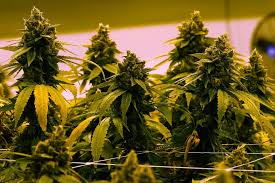
Virginia has taken a major step toward building a regulated adult-use cannabis market, approving legislation that will allow legal retail marijuana sales to begin on July 1, 2027. The decision comes years after the state legalized personal possession and home cultivation, but left consumers without a legal recreational marketplace.
The new framework positions Virginia as one of the most significant cannabis-policy developments in the U.S. South, where marijuana prohibition remains widespread and state-level reforms have often moved slowly.
Under the new law, adults aged 21 and older will be able to purchase up to two ounces of marijuana at licensed retail locations. The state is expected to authorize up to 350 cannabis stores, creating a formal market intended to replace much of the unregulated trade that developed after possession became legal.
Virginia first legalized adult possession of marijuana in 2021, becoming the first Southern state to do so. Adults were permitted to possess up to one ounce and grow up to four plants per household. However, because lawmakers did not establish a retail sales system at the same time, residents were left in an unusual legal situation: marijuana could be possessed and grown, but not legally purchased outside the medical cannabis system.
That gap created what many advocates described as a “legalization without a market” problem. While possession was legal, consumers often had to rely on informal gifting arrangements, personal cultivation, or unregulated sellers. The new legislation is designed to bring sales under state oversight, including product testing, licensing, taxation, age verification, and consumer-safety rules.
The Virginia Cannabis Control Authority will play a central role in managing the new marketplace. The agency is expected to oversee licensing, compliance, product standards, and enforcement as the state prepares for the 2027 launch.
The legislation also includes tax provisions that could generate substantial public revenue. State officials estimate that cannabis taxes and sales taxes could bring in roughly $51 million during the program’s first year. Those revenues may support state services, regulatory operations, and other public priorities, though the final distribution of funds will remain an important issue for lawmakers and communities.
For Black communities and the African diaspora, the Virginia reform carries a deeper significance. Cannabis prohibition in the United States has historically been enforced unevenly, with Black Americans facing disproportionately high arrest and conviction rates despite similar levels of marijuana use across racial groups. A regulated market has the potential to reduce criminalization, but advocates argue that legalization must also create real ownership opportunities for people harmed by past drug policies.
The question is whether small businesses, Black entrepreneurs, farmers, and communities affected by the war on drugs will have meaningful access to licenses, capital, and supply chains. Cannabis markets in several U.S. states have been criticized for allowing large corporations to dominate early licensing and retail opportunities. Virginia’s rollout will be closely watched to see whether it can avoid repeating those patterns.
The new law has also raised concerns among hemp farmers and small hemp-product businesses. Some operators argue that changes to hemp rules could place local businesses at a disadvantage while opening the door for larger, well-funded cannabis corporations. Their concerns reflect a wider debate across the United States over how hemp-derived THC products should be regulated alongside adult-use marijuana markets.
Virginia’s move matters beyond its own borders. As a Southern state with a large Black population, proximity to Washington, D.C., and a growing immigrant and diaspora business community, Virginia could become a model for how cannabis legalization develops in the region.
For African entrepreneurs, investors, and policymakers, the Virginia experience offers useful lessons. Cannabis reform is not only about legalization; it is also about agriculture, manufacturing, retail, health regulation, taxation, trade, land access, and economic ownership. Across Africa and the diaspora, countries are already debating how to regulate cannabis for medical, industrial, and commercial use. Virginia’s experience may show both the opportunities and the risks of entering a fast-growing global cannabis economy.
The state’s retail market is still more than a year away, but the legal shift is already significant. Virginia is moving from limited legalization toward a full adult-use commercial system. The next challenge will be ensuring that the market is safe, accessible, transparent, and economically inclusive.
Tags: Virginia marijuana legislation, Virginia cannabis law, recreational marijuana, cannabis legalization, Virginia Cannabis Control Authority, Black business, African diaspora investment, hemp industry, cannabis policy, Pan African news


